
TV Guide (magazine)
TV Guide is an American biweekly magazine that publishes television program listings, TV-related news, celebrity interviews and gossip, film reviews, crossword puzzles, and, occasionally, horoscopes. Since 2015, its operating company, TV Guide Magazine LLC, has been owned by NTVB Media. The print magazine was spun off from the TV Guide brand in 2008, when then-owner Macrovision sold it to OpenGate Capital for $1 and a $9.5 million loan.
TV Guide Magazine holds a license to use the TV Guide name and its signature red-and-white logo only in print. It is not allowed to use that branding or logo online. The TV Guide trademark and other intellectual property belong to Fandom, Inc., which licenses the name and editorial content to the magazine for its promotional website and mobile app.
The magazine’s prototype was developed by Lee Wagner, a circulation director for MacFadden Publications in New York City during the 1930s and later for Cowles Media Company, who focused on movie celebrity magazines. In 1948, he printed a New York City area listings magazine called *The TeleVision Guide*, first released on local newsstands on June 14 of that year. Silent film star Gloria Swanson, then starring in the short-lived variety series *The Gloria Swanson Hour*, appeared on the cover of that first issue. Wagner later published regional editions for New England and the Baltimore–Washington area. Five years later, he sold these editions to Walter Annenberg, who folded them into his company Triangle Publications. Wagner stayed on as a consultant until 1963.
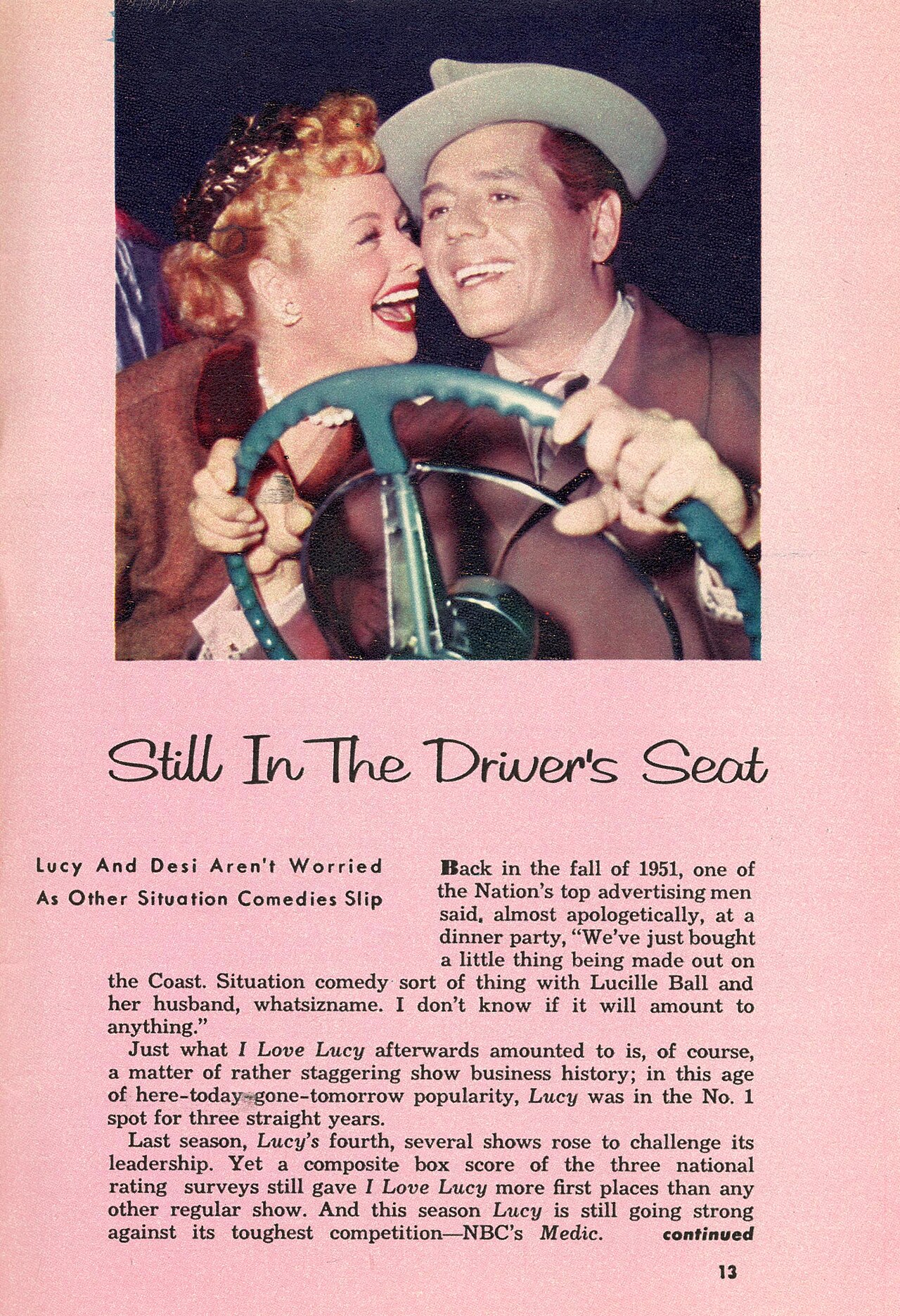
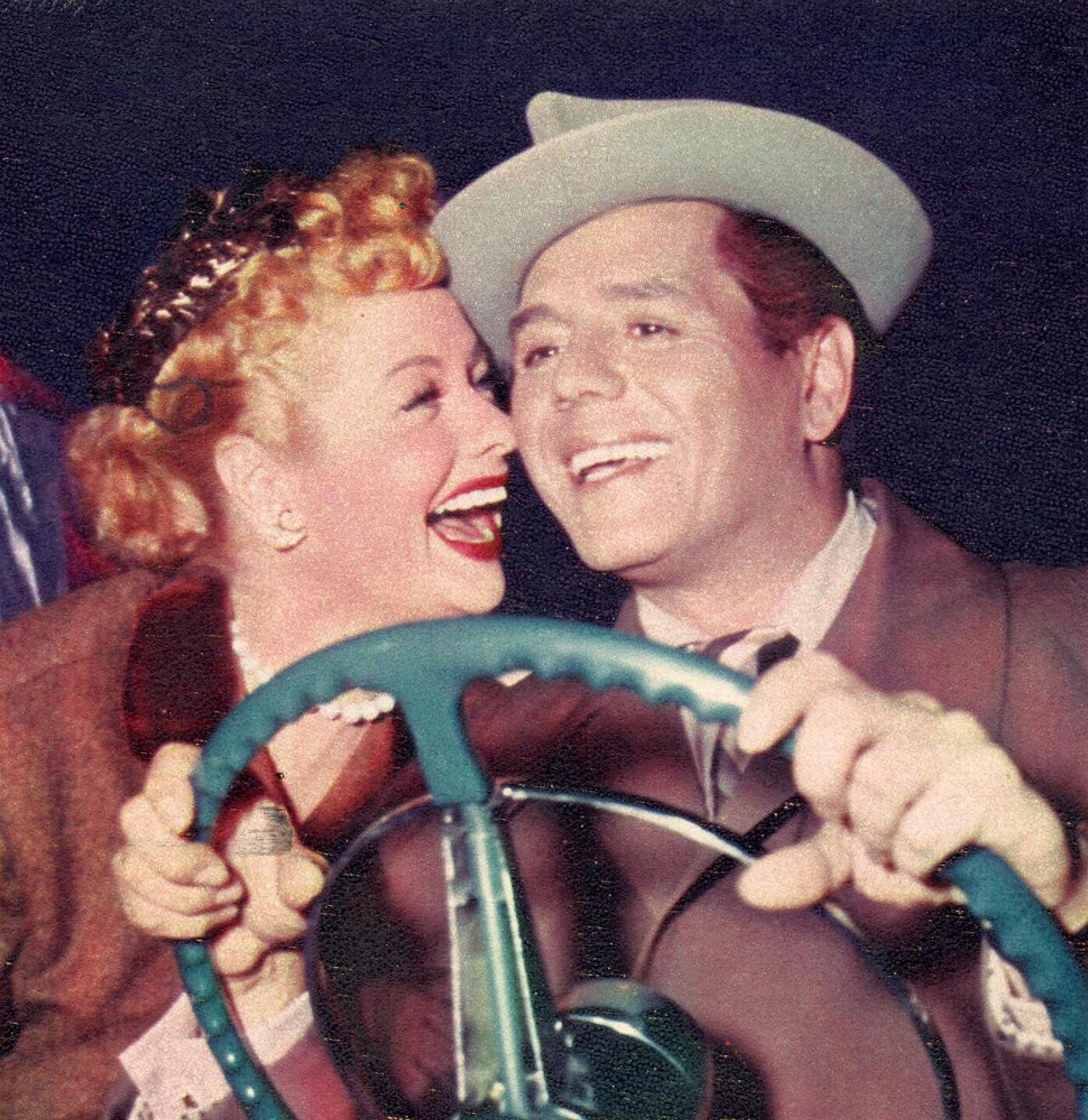
Walter H. Annenberg inherited Triangle Publications from his father, Moses L. Annenberg, in 1942, and he subsequently developed *TV Guide*. The first national issue appeared on April 3, 1953, with a circulation of 1,560,000 copies across ten U.S. cities. Its inaugural cover featured a photograph of Lucille Ball’s newborn son, Desi Arnaz Jr., with a smaller inset photo of Ball under the headline “Lucy’s $50,000,000 baby.” The magazine was printed in digest size, a format it kept for 52 years. From its debut until July 2–8, 1954, listings ran Friday through Thursday. The July 9–16 issue ran Friday through Friday. Starting July 17–23, 1954, issues ran Saturday through Friday, a format maintained until April 2004.
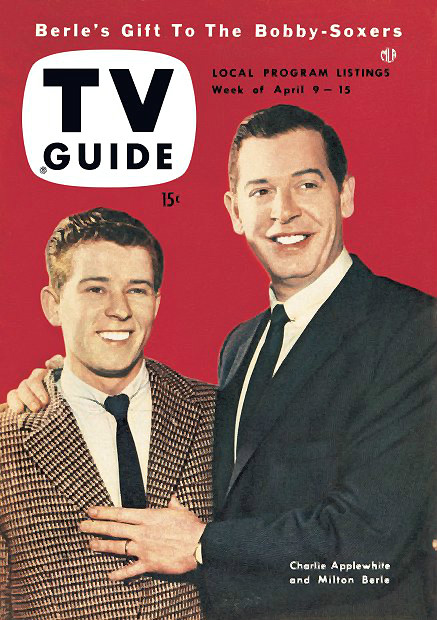
*TV Guide* grew out of Triangle’s purchase of several local listings magazines, including *TV Forecast* (first published May 9, 1948, in Chicago, the first continuously published television listings magazine), *TV Digest* (in Philadelphia and Pittsburgh, originally called *The Local Televiser*), and the New York-based *Television Guide* (renamed *TV Guide* on March 18, 1950). Each of these cities became part of the initial rollout. The launch was an immediate success, but circulation soon declined even as the magazine expanded to Pittsburgh, Rochester, Detroit, Cleveland, and San Francisco. By mid-August 1953, sales had fallen 200,000 below the first issue. The September 4–10, 1953, “Fall Preview” issue reversed the trend, selling 1,746,327 copies. Circulation then grew steadily, and by the 1960s *TV Guide* was the most widely read magazine in the United States. The cover price was 15¢ (equivalent to $1.81 in 2025; by 2014, it was $4.99). In addition to subscriptions, it was sold in grocery store checkout lanes nationwide. Until the 1980s, feature stories were also advertised in television commercials. Under Triangle, *TV Guide* became recognized as the leading authority on television, publishing articles—most in the color section—by staff and contributing writers.
The *TV Guide* logo evolved with the television screen itself, shifting to a widescreen style in September 2003 and a flatscreen style in September 2016. Slightly different versions are used for the magazine and for the CBS-managed digital properties. Early logos had backgrounds in various colors until the red background became standard in the 1960s, though special editions sometimes varied. The magazine was first based in a small Philadelphia office, then moved in the late 1950s to larger headquarters in Radnor, Pennsylvania. That facility housed management, editors, production staff, subscription processors, and a computer system cataloging every show and movie. Printing of the national color section—containing articles and reviews—was done at Triangle’s Gravure Division plant, next to the Inquirer Building on North Broad Street. This section was then sent to regional printers to be combined with local listings.
Triangle Publications also owned *The Philadelphia Inquirer*, the *Philadelphia Daily News*, ten radio and six TV stations (including WPVI-TV in Philadelphia, WTNH in New Haven, Connecticut, and KFSN-TV in Fresno, California), as well as *The Daily Racing Form*, *The Morning Telegraph*, *Seventeen*, and cable interests. WFIL-TV, under Triangle, launched *American Bandstand*, which made Dick Clark a major television personality. Triangle sold its Philadelphia newspapers to Knight Newspapers in 1969 and its broadcast stations in the early 1970s to Capital Cities Communications (later acquired by ABC). It retained *TV Guide*, *Seventeen*, and *The Daily Racing Form*.
For its first 52 years, program listings in *TV Guide* appeared in a “log” format: a text-based list of programs organized by start time and channel. This remained the sole method of presenting program information until national listings were introduced in 2005. When prime time grids were later added, the log became the primary, and in its final two years the secondary, display method. The log format allowed full program titles and included synopses for movies.
- first_national_issue
- April 3, 1953
- founder_of_prototype
- Lee Wagner
- original_publisher
- Triangle Publications (Walter H. Annenberg)
- format
- Digest size (for 52 years)
- cover_price_1953
- 15¢
- current_owner_of_operating_company
- NTVB Media (since 2015)
- trademark_owner
- Fandom, Inc.
Lore & Background
The prototype of what would become TV Guide was developed by Lee Wagner, who printed the New York City area listings magazine The TeleVision Guide on June 14, 1948. A television set appeared on the cover of that first issue. Wagner later published regional editions for New England and the Baltimore–Washington area, selling them to Walter Annenberg in 1953, who folded them into Triangle Publications. cities, featuring a cover photograph of Desi Arnaz, Jr. (born January 19, 1953), who was about two and a half months old at the time. The magazine was based in a small Philadelphia office before moving to larger headquarters in Radnor, Pennsylvania in the late 1950s. For its first 52 years, program listings appeared in a text-based "log" format organized by start time and channel, with channel numbers shown in round icons later modified into a TV screen shape. The magazine's logo evolved with television screens, shifting to a widescreen style in September 2003 and a flatscreen style in September 2016, with the red background becoming standard in the 1960s.
Reader's Guide
TV Guide's significance lies in its role as the dominant television listings magazine in the United States for decades, shaping how audiences discovered and discussed television programming. Its digest-size format and placement at grocery store checkout lanes made it a ubiquitous household item. The magazine's editorial content, including feature articles, reviews, and regular sections like "Cheers and Jeers" and "Close-Up," established it as a critical voice on television. The magazine's operating company, TV Guide Magazine LLC, has been owned by NTVB Media since 2015, while the TV Guide trademark is owned by Fandom, Inc. The print magazine holds a license to use the TV Guide name and red-and-white logo only in print publications, and is prohibited from using the branding online. The magazine's legacy includes pioneering the log format for program listings and adapting its logo to reflect changes in television screen technology.
Did You Know?
- The prototype magazine, The TeleVision Guide, was first released on June 14, 1948, with a television set on the cover.
- The magazine's logo shifted to a widescreen style in September 2003 and a flatscreen style in September 2016.
From Newsstand Prototype to National Institution
Lee Wagner, a circulation director who spent the 1930s at MacFadden Publications in New York and later at Cowles Media Company, was the creative force behind what would become one of America's most recognizable print brands. Wagner had built his career distributing magazines centered on movie celebrities, and that background clearly shaped his next venture. In 1948, he launched The TeleVision Guide, a local listings publication for the New York City area, with its first copy hitting newsstands on June 14 of that year. The inaugural cover featured silent-film legend Gloria Swanson, who at the time was hosting the short-lived variety program The Gloria Swanson Hour. Wagner expanded the concept by producing regional editions for New England and the Baltimore–Washington corridor. Five years after the initial launch, he sold those editions to Walter Annenberg, who absorbed them into his Triangle Publications empire.
The 1953 National Launch and a Decade of Dominance
When Triangle Publications rolled out the first national issue of TV Guide on April 3, 1953, the company was building on a patchwork of local listings magazines it had acquired, including TV Forecast in Chicago, TV Digest in Philadelphia and Pittsburgh, and the New York-based Television Guide. The launch was not without turbulence. From that point forward, growth was steady. By the 1960s, TV Guide had become the most widely read magazine in the United States, sold at a cover price of just 15 cents and stocked in grocery-store checkout lanes nationwide.
The Red-and-White Brand and Its Licensing Tangle
The TV Guide name and its instantly recognizable red-and-white logo have always been central to the publication's identity, yet the legal ownership of that brand is far more complicated than a casual reader might expect. The trademark and associated intellectual property are held by Fandom, Inc., while the print magazine operates under a license that restricts it to print publications only. The magazine is explicitly prohibited from using the TV Guide branding or logo in any online context. Fandom, in turn, licenses the name and editorial content for use on a promotional website and mobile app. The logo itself has evolved alongside the television screen it represents. Early iterations featured backgrounds in a variety of colors before the now-iconic red became the standard in the 1960s, though special editions occasionally broke from that palette. In September 2003 the logo shifted to a widescreen shape, and in September 2016 it adopted a flatscreen design. Slightly different versions of the mark are used for the print magazine versus the CBS-managed digital properties, reflecting the tangled web of rights that governs the brand today.
Ownership Shuffles and the Modern Magazine
The corporate history of TV Guide Magazine reads like a series of high-stakes handoffs. Walter H. Annenberg inherited Triangle Publications from his father, Moses L. Triangle eventually sold its Philadelphia newspapers to Knight Newspapers in 1969 and its broadcast stations to Capital Cities Communications in the early 1970s, but it retained TV Guide alongside Seventeen and The Daily Racing Form. The magazine's operational base shifted from a small Philadelphia office to larger headquarters in Radnor, Pennsylvania, in the late 1950s, where management, editors, production staff, and subscription processors all worked under one roof. The national color section was printed at Triangle's Gravure Division plant near the Inquirer Building on North Broad Street before being shipped to regional printers for local listings. In 2008, then-owner Macrovision spun the print magazine off to OpenGate Capital for a nominal $1 plus a $9.5 million loan. Since 2015, TV Guide Magazine LLC has been owned by NTVB Media, which continues to publish the biweekly title featuring program listings, celebrity interviews, film reviews, crossword puzzles, and occasional horoscopes.
Gallery

Frequently Asked Questions
What is TV Guide magazine?
TV Guide is an American print publication that has served as a primary source for television listings, celebrity news, film reviews, and entertainment content since its national debut in 1953. It also features crossword puzzles and, in select issues, horoscopes.
Who founded TV Guide magazine?
Lee Wagner is credited with creating the prototype that became TV Guide, and the publication was originally brought to market by Triangle Publications, the company led by Walter H. Annenberg.
What was TV Guide's original size and cover price?
The magazine was printed in digest size for fifty-two years and sold for just 15 cents when it first appeared nationally in April 1953.
Who owns TV Guide magazine now?
The operating company behind TV Guide has been controlled by NTVB Media since 2015.
More in Magazines & Newspapers 1-24
Spotted an error? Know more?
This is a living reference — every entry is fact-audited, and reader corrections feed straight into our audit queue. Suggest an edit · See this site's audit record